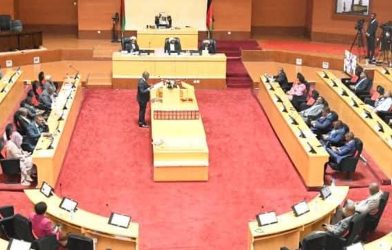




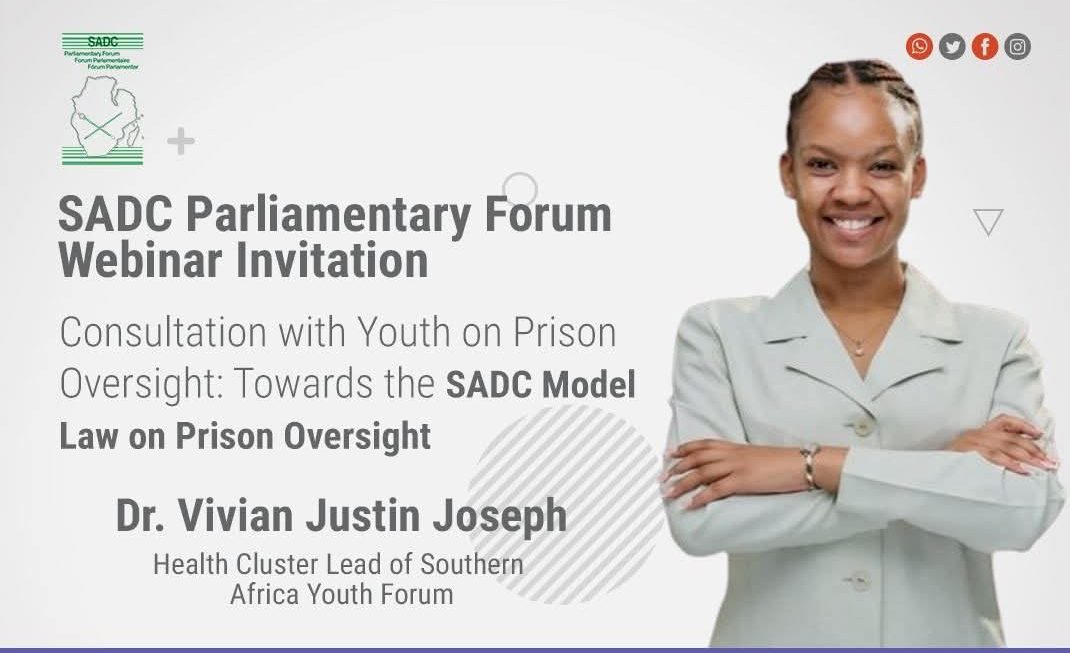
Youth Presentation on Prison Oversight: Towards the SADC Model Law on Prison Oversight. Presentation by Dr. Vivian J. Joseph. Presentation made on behalf of SAYoF at SADC-PF Consultation process. SAYoF was the key Speaker.
The need for a robust framework governing prison oversight has never been more urgent, particularly in the Southern African Development Community (SADC) region, where the challenges faced by inmates, especially young ones, are both pressing and multifaceted. We acknowledge SADC-PF and partners for initiating this model law process. The proposed SADC Model Law offers a vital opportunity to address these challenges and promote safer, rights-based prison environments across the region. Dignity is sacrosanct and sanctimonious; it must be upheld even within the confines of a prison. Prisons should not merely serve as places of punishment, but rather as environments conducive to rehabilitation and correction. This aligns with both regional and continental best practices that emphasize the importance of treating inmates with respect and humanity.
Young inmates, in particular, are often vulnerable to stigma, discrimination, sexual harassment, and victimization, making it imperative that the SADC Model Law incorporates provisions that specifically safeguard their rights and well-being. When we foster a culture of oversight that prioritizes human dignity, we can transform prisons into spaces where rehabilitation is not just an ideal but a tangible reality. Through the lens of youth perspectives, this presentation aims to illuminate the critical need for reform and advocate for a prison system that supports the reintegration of young offenders into society.
It is essential to recognize that Youth represent a substantial portion of the prison population, and their perspectives are vital for effective reform.
These are some of the challenges young inmates are facing in Prisons across the SADC region:
Young inmates in the SADC region face several significant challenges, including:
- Overcrowding
- Many prisons suffer from severe overcrowding, leading to inadequate living conditions and limited access to resources.
- Lack of Rehabilitation Programs
- Insufficient access to educational and vocational training programs hinders personal development and reintegration prospects.
- Stigma and Discrimination
- Young inmates often face societal stigma, making reintegration into the community difficult post-release.
- Mental Health Issues
- Limited access to mental health services exacerbates existing psychological challenges, affecting their overall well-being.
- Physical Health Risks
- Poor sanitation and overcrowded conditions increase the risk of communicable diseases and limit access to necessary healthcare.
- Victimization and Abuse
- Young inmates may be more vulnerable to violence and abuse from older inmates and staff, compromising their safety.
- Isolation from Family and Community
- Long distances from home and limited visitation rights create emotional distress and hinder support from family.
- Lack of Legal Representation
- Many young inmates do not have access to adequate legal counsel, impacting their ability to defend their rights.
- Inadequate Training for Staff
- Prison staff may lack training on how to effectively manage and rehabilitate young offenders, leading to misunderstandings and mistreatment.
- Limited Access to Confidentiality
- Young inmates often struggle to maintain confidentiality during legal or oversight visits, which can deter them from expressing their concerns.
- Poor Nutritional Standards
- Inadequate food quality and quantity can lead to health problems, affecting physical and mental health.
- Substance Abuse
- Many young inmates may struggle with substance abuse issues, which are often not adequately addressed within the prison system.
Addressing these challenges is essential for creating a more humane and effective prison environment that supports the rehabilitation of young inmates across the SADC region.
Recommendations from the Youth Perspective:
The SADC Model Law on Prisons Oversight can foster a culture of oversight in prisons through several key Strategies:
- Clear Legal Framework
- Establish comprehensive legal standards that define the roles and responsibilities of oversight bodies, ensuring accountability and transparency in prison operations.
- Inclusive Stakeholder Engagement
- Involve a diverse range of stakeholders, including civil society, youth representatives, and human rights organizations, in the oversight process to ensure that multiple perspectives are considered.
- Regular Training and Capacity Building
- Provide ongoing training for prison staff and oversight bodies on human rights principles, restorative justice, and rehabilitation practices to enhance their ability to monitor conditions effectively.
- Independent Monitoring Mechanisms
- Create independent oversight bodies empowered to conduct regular inspections, interviews, and assessments of prison conditions, ensuring that inmates’ rights are respected.
- Data Collection and Reporting
- Implement systems for collecting and analysing data on prison conditions, inmate treatment, and oversight activities, enabling evidence-based decision-making and accountability.
- Transparent Reporting Processes
- Mandate public reporting of oversight findings, including recommendations for improvement, to foster accountability and encourage public scrutiny of prison systems.
- Feedback Mechanisms for Inmates
- Establish confidential channels for inmates to voice concerns and report abuses without fear of reprisal, ensuring their perspectives inform oversight efforts.
- Focus on Rehabilitation and Reintegration
- Emphasize the importance of rehabilitation programs within the oversight framework, ensuring that prisons focus on preparing inmates for successful reintegration into society.
- Promotion of Human Rights Culture
- Cultivate a culture of respect for human rights within prisons, ensuring that all staff and stakeholders prioritize the dignity and well-being of inmates.
- Collaboration with Regional and International Bodies
- Engage with regional and international human rights organizations to adopt best practices and standards, fostering a culture of compliance and accountability.
Independent monitoring bodies can ensure that inmate rights are respected through several effective strategies:
- Regular Inspections
- Conduct unannounced visits to prisons to assess conditions, treatment of inmates, and compliance with legal standards, allowing for objective evaluations.
- Comprehensive Assessment Frameworks
- Develop and implement standardized assessment tools that evaluate various aspects of inmate care, including health, safety, and access to rehabilitation programs.
- Confidential Interviews
- Facilitate private discussions with inmates to gather firsthand accounts of their experiences, enabling them to voice concerns about their treatment without fear of retaliation.
- Collaboration with Legal Experts
- Work alongside legal professionals to ensure that monitoring practices align with national and international human rights laws, providing legal support to inmates when needed.
- Reporting Mechanisms
- Create clear channels for inmates to report abuses or grievances, ensuring these mechanisms are accessible and confidential to encourage reporting.
- Public Disclosure of Findings
- Publish reports on monitoring activities, including findings and recommendations, to promote transparency and accountability, while raising public awareness of inmate rights issues.
- Engagement with Stakeholders
- Collaborate with civil society organizations, human rights advocates, and families of inmates to gather diverse perspectives and advocate for reform where necessary.
- Training and Capacity Building
- Provide training for prison staff on human rights standards and best practices, fostering a culture of respect for inmate rights within the prison environment.
- Follow-Up Mechanisms
- Establish procedures for following up on previous recommendations to ensure that identified issues are addressed and inmate rights are continuously upheld.
- Advocacy for Policy Reform
- Use insights gained from monitoring activities to advocate for changes in laws and policies that enhance the protection of inmate rights and improve prison conditions.
In conclusion, the need for a comprehensive and rights-based approach to prison oversight in the SADC region is paramount, particularly in addressing the unique challenges faced by young inmates. As we have discussed, issues such as overcrowding, lack of rehabilitation programs, and the stigma associated with incarceration hinder the reintegration of youth into society. A transformative SADC Model Law has the potential to create a more humane prison environment that upholds human dignity and fosters rehabilitation.
The Southern Africa Youth Forum (SAYoF) and the SADC Youth Parliament stand ready to complement the efforts of the SADC Parliamentary Forum (SADC-PF) in the determination and adoption of this Model Law. We must leverage the voices and insights of young people to ensure that the perspectives of youth are central to the legislative process. Together, we can advocate for a prison system that not only respects the rights of young inmates but also supports their journey towards reintegration and positive contributions to society. As we move forward, let us commit to fostering a culture of oversight that prioritizes human rights and rehabilitation, paving the way for a brighter future for all young individuals within the SADC region. Thank you for your attention, and I look forward to our collective efforts in making meaningful change. Thank you, SADC-PF, for providing spaces for youth voices!