



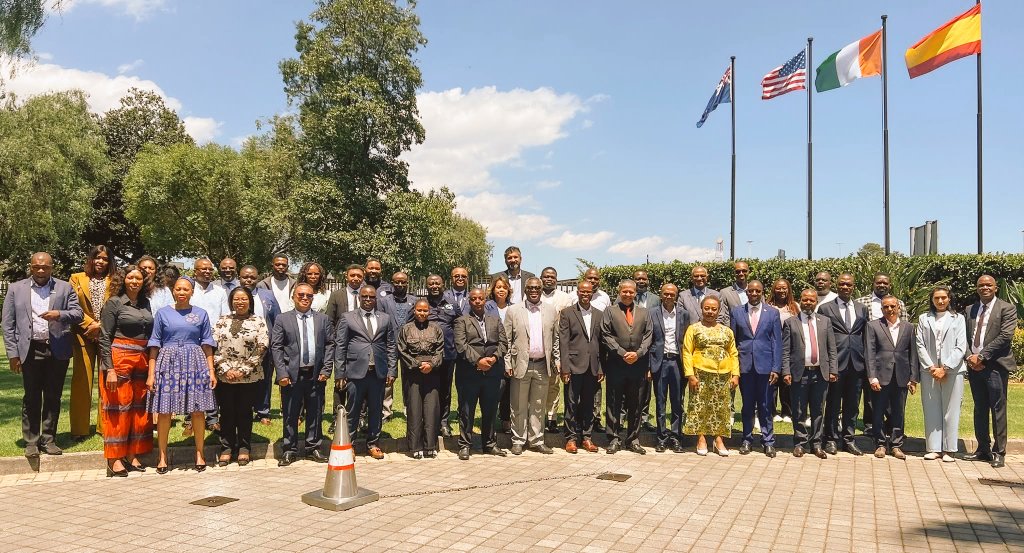
The Southern Africa Youth Forum (SAYoF) yesterday presented at the High-Level SMEs Public-Private Dialogue Forum, currently underway in Johannesburg, South Africa, hosted by the Southern African Development Community (SADC) from February 2 to 3, 2026. This important gathering is centered on enhancing the SME Development and Competitiveness Strategy (2025–2029) by translating policies into actionable steps. Focusing on operationalizing its five strategic pillars, the forum serves as a dynamic platform for sharing experiences and fostering collaboration among a diverse array of stakeholders.
As discussions commenced, H.E. Angele Makombo N’tumba, the SADC Deputy Executive Secretary for Regional Integration, set a strong tone for the proceedings. Participants included officials from SADC Member States, representatives from the SADC Business Council, the African Union Commission, and numerous development partners—all united in their commitment to strengthening the role of SMEs in the region.
The SAYoF made by the Chief Executive Officer, Misheck Gondo, focused on the critical theme of SME Access to Finance– Challenges, Policies, and Regional Opportunities, highlighting the multifaceted challenges faced by various categories of SMEs, including Youth-Led, Women-Led, Persons with Disabilities (PWD)-Led, and Export-Oriented SMEs. Key challenges identified included limited access to financing, a lack of understanding of international trade regulations, and insufficient market research capabilities.
The importance of aligning public policies to support SMEs was underscored, emphasizing the need for a robust regulatory framework that nurtures competitive and resilient businesses. Furthermore, the discussion pointed out that the African Continental Free Trade Area (AfCFTA) offers significant opportunities for enhanced market access and the growth of export-oriented SMEs.
SAYoF put forth several actionable recommendations, including the creation of enterprise start-up programs, the implementation of technical skills training, and fostering collaboration across various sectors to bolster SME growth. To enhance the competitiveness of SMEs across the SADC region, there is a need to build the capacities of export-oriented SMEs to increase their share in total exports, focusing on enhanced productivity, quality, and diversification. Additionally, creating and implementing technical skills training programs for SMEs will equip them with essential competencies. It’s also vital to harmonize the SADC Strategy with the AfCFTA Protocol on Women and Youth, ensuring a clear framework to support persons with disabilities (PWDs), youth, and women.
An industrial cluster approach should be adopted to foster collaboration and synergy among SMEs. Moreover, the domestication of SADC SME instruments, such as the SME Competitive strategy, is necessary for effective implementation at the national level. Supporting and encouraging the establishment of enterprise start-up programs throughout the region will stimulate new business growth. Lastly, providing technical assistance and resources will help SMEs create competitive and export-ready products, alongside capacity-building initiatives aimed at enhancing managerial and leadership skills. Together, these actions will significantly contribute to the empowerment and growth of the SME sector in Southern Africa.
The forum aims to create a comprehensive regional roadmap for implementation while identifying essential national measures for adaptation. It also explores structured mechanisms for ongoing information-sharing and networking, which are vital for sustaining momentum. By promoting dialogue and cooperation, this initiative seeks to enhance the competitiveness of SMEs, thereby driving economic growth and job creation across Southern Africa.
As the discussions unfold, the call for collective action and resource mobilization to support women and youth-led enterprises resonates strongly, emphasizing that SMEs will continue to play a crucial role in the economic landscape of the region. The high-level forum not only prioritizes the challenges but also paves the way for seizing the opportunities that await Southern Africa’s vibrant SME sector.