



By Staff Reporter #SAYNews
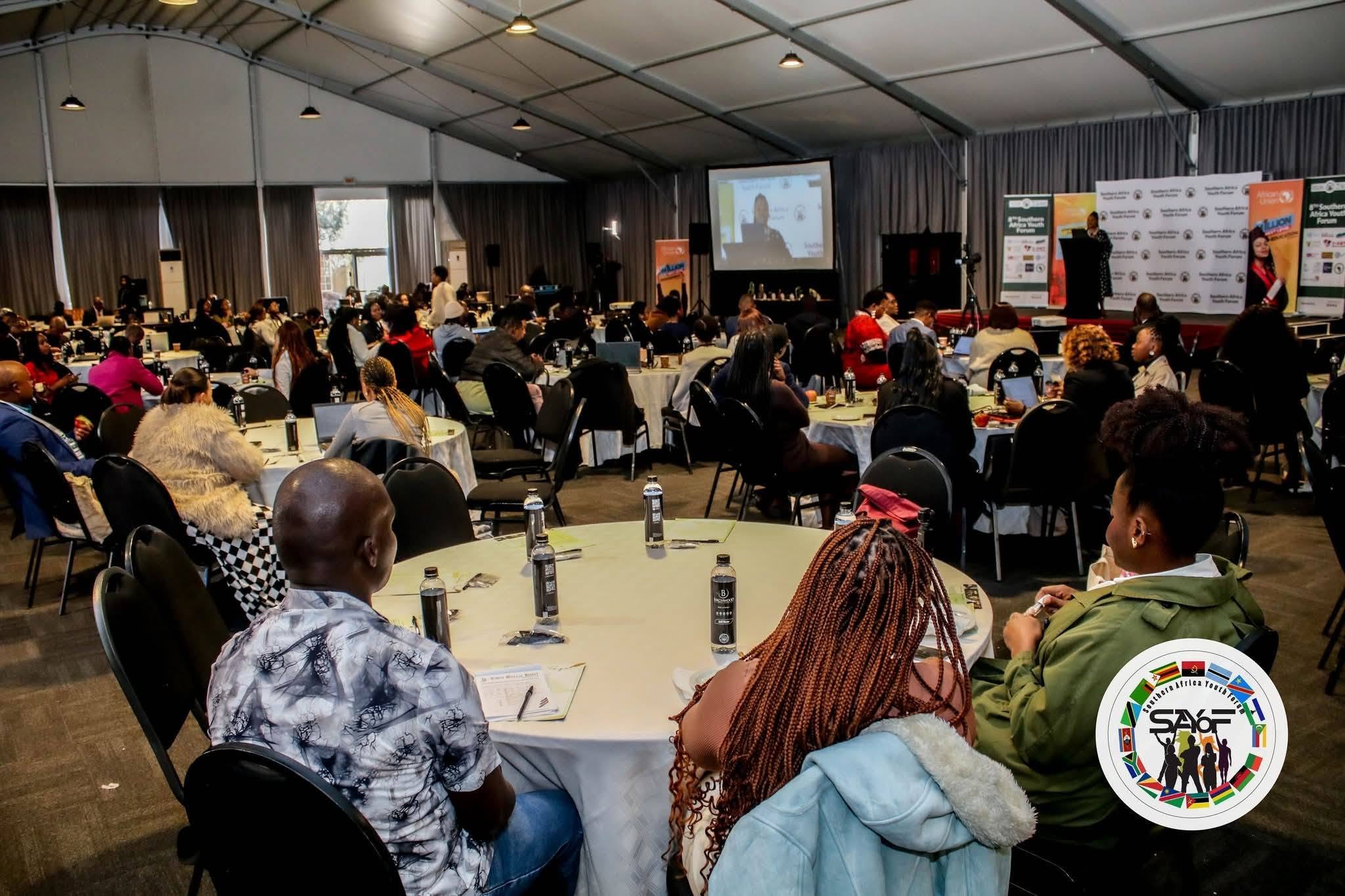
The New Economy Hub, during the 8th Southern Africa Youth Forum in Johannesburg, South Africa, had a clear message on fertilizer sovereignty and food security. During the plenary session, it was noted that the issue must be approached as an energy and climate issue, not only an agricultural one. The session brought together contributions from an expert panel and participants from across the SADC region and other African countries, who collectively shaped recommendations aimed at strengthening resilience across Southern Africa, especially for communities facing immediate planting-season uncertainty.
The session noted that the root cause of today’s overlapping problems is the rate at which we have been burning fossil fuels since the 1800s in the name of industrialization and progress. Powering our economies has depended on burning coal and diesel; fertilizing our crops has depended on pumping gas; and moving goods to market has depended on petroleum-based fuels. But this model is now dooming our present just as much as it is our futures, and those of generations still to come.
Speakers and delegates linked these realities to the urgency of current shocks. They noted that the Hormuz crisis is already demonstrating how fragile the region is to cascading climate and supply disruptions. The war over there, bout preserving the hegemony of the fossil fuel economy, is translating into a fertilizer availability, access, and affordability crisis here at home. At the same time, the super El Niño gathering in the South Pacific is bringing prolonged extreme heat, below-average rainfall, and delays to the summer rains that agriculture relies on to secure both food and economic security, arriving right as communities approach planting season.
Against this backdrop, the Forum’s recommendations- shaped by both expert deliberations and participant experiences- began with fertilizer sovereignty as the entry point to wider resilience. Delegates emphasized the need to delink fertilizer supply chains from fossil fuels by reducing dependence on gas-based global input chains such as urea and ammonia, which expose African farmers to price shocks and availability disruptions driven by geopolitics.
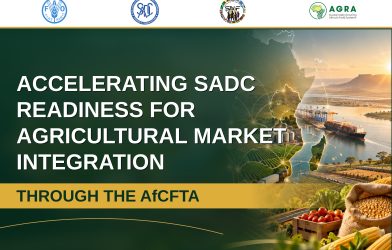
To address affordability and continuity, the Forum also endorsed building resilient intra-African fertilizer markets through the AfCFTA. Participants and experts argued that accelerating localized procurement and distribution systems across the region can strengthen affordability and insulate internal markets from external volatility during critical planting windows.
While fertilizer access remains essential, the Forum highlighted that vulnerability grows when farmers treat soil as a passive medium. The recommendations therefore called for investing aggressively in soil health as a fertility buffer, scaling interventions that improve organic matter management, soil structure, and integrated nutrient practices. In this framing, soil becomes a stabilizing foundation that helps farms withstand fertilizer price inflation and maintain productivity through seasons.
Delegates also supported nature-based and alternative fertilizer production models, including locally suitable blends and nutrient recovery approaches, to expand access while improving long-term sustainability and reducing the environmental footprint of input systems.
The Forum further urged stronger monitoring of downstream impacts by establishing a “second-round shock” mechanism. This would track how fertilizer cost increases cascade across value chains into consumer prices, enabling faster policy responses timed to planting periods rather than delayed interventions after markets have already adjusted.
Given the climate pressures underway, the Forum aligned recommendations to heat and water realities. Participants supported deploying heat-ready farming systems for Southern Africa through localized projections and seasonal guidance, allowing farmers to adapt crop management before losses occur. Water resilience was also highlighted, with calls for investments in water security such as water harvesting and efficiency measures, and drought-resistant practices to reduce combined stress from extreme heat and reduced water availability.
Importantly, the Forum positioned food security as a human-rights and labour issue. Experts and participants stressed that heat adaptation must protect agricultural labour through heat-safety protocols, including revised work schedules, protective clothing, health protocols, and enforcement, especially for women farm labourers and small-scale subsistence farmers who face heightened risk.
To improve early action, the recommendations supported scaling smart technologies and early warning systems to anticipate heat stress and manage risk for both crops and labour. Finally, delegates called for institutionalizing adaptive labour policies in agrarian communities so protection becomes planned and financed, rather than reactive, through shift adjustments, safety provisions, and community-level preparedness.
As the session host, the New Economy Hub ensured these expert and participant contributions were woven into a single strategic message: fertilizer sovereignty, soil health, climate adaptation, and labour protection are interdependent. The tone of the event was therefore urgent and systems-focused, anchored in the reality that as long as economies and agriculture depend on fossil-fuel power, food systems will remain exposed to both cascading geopolitical shocks and accelerating climate hazards. The recommendations were adopted in the final declaration to be submitted to the SADC Heads of State and Government, AU, and Ministers of Agriculture, among other stakeholders. #SAYoF2026