

JOHANNESBURG: Young people in Southern Africa are set to gain a stronger voice in regional decision-making after the Southern African Youth Forum (SAYoF) was selected as one of ten regional civil society organisations to be supported under a new initiative aimed at bridging the gap between regional commitments and national action.
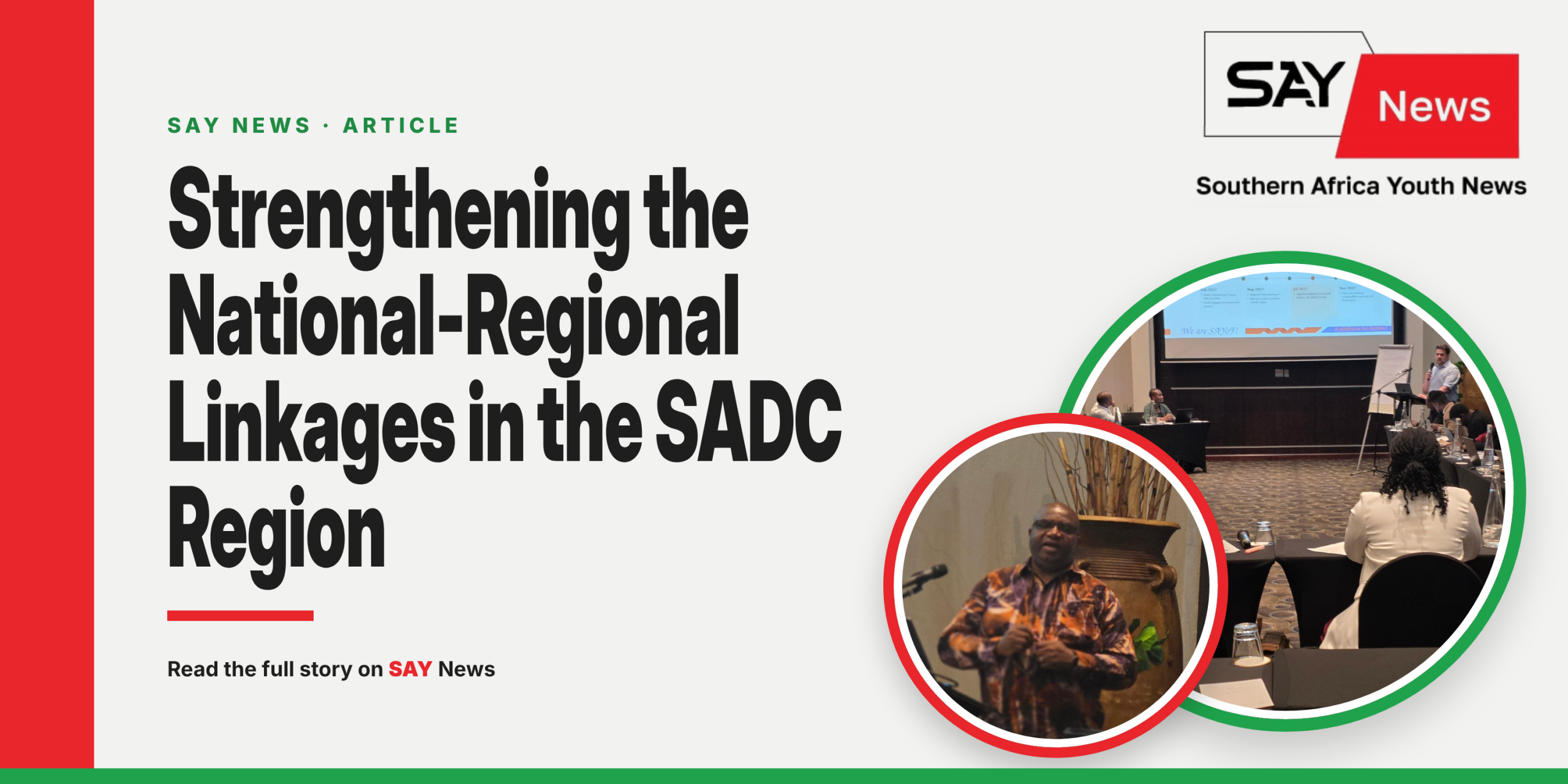
The German Government commissioned the Deutsche Gesellschaft für Internationale Zusammenarbeit (GIZ) to implement the European Union co-financed project, Supporting Regional CSO Networks and Non-State Actors in the SADC Region. The project falls under the programme Strengthening the National-Regional Linkages (SNRL) in the Southern African Development Community (SADC) Region, implemented by GIZ. Partners gathered in Johannesburg from 10 to 13 November 2026 for an orientation workshop that marked the formal kick-off of the project.
SADC Member States have adopted a wide range of protocols, strategies and frameworks to deepen regional integration and improve the lives of citizens. These are anchored in the SADC Regional Indicative Strategic Development Plan (RISDP) 2020–2030 and the SADC Vision 2050, the region’s blueprints for integration and development. However, the real measure of these commitments lies in whether they are carried through at the national level and felt by ordinary people.
The SNRL programme is aligned to the RISDP and seeks, among other objectives, to strengthen the role of regional civil society in monitoring and implementing both the RISDP and SADC Vision 2050. This is being pursued through collaboration among GIZ, regional parliamentary structures and networks of civil society organisations and non-state actors.
In July 2025, the programme launched a regional Call for Proposals to identify ten regional civil society organisations to support in strengthening their capacities and developing policy positions and advocacy strategies in line with these regional instruments. The support covers five thematic areas: anti-corruption and accountability; women’s empowerment; youth participation; the promotion and protection of human rights; and the rule of law and access to justice.
Civil society organizations are central to this effort. They link communities to regional institutions, carry citizens’ priorities to decision-makers, and help hold governments accountable for the commitments they make at SADC level.
For SAYoF, the programme offers an opportunity to place young people at the heart of this process. Young people make up the majority of the region’s population and are the most affected by challenges such as unemployment, skills shortages, migration, climate change and unequal access to digital opportunities. Despite this, they remain largely distant from the spaces where regional policies are shaped and monitored.
Through the programme, SAYoF will work to bring youth voices into policy by gathering young people’s views across the region and turning them into evidence-based input for national and regional decision-makers. The forum will also support meaningful youth participation in SADC dialogues and consultations, equip young people to monitor whether commitments under the RISDP and SADC Vision 2050 are being implemented in their countries, and build young people’s leadership and advocacy skills as drivers of transformation.
Speaking on behalf of the partners during the closing remarks, SAYoF Chief Executive Officer Misheck Gondo hailed SADC, SADC-PF, GIZ, the German Government and the European Union for what he described as much-needed and timely support.
Gondo said the programme would enable civil society to move beyond advocacy from the sidelines and engage directly with SADC structures, strengthening citizens’ ability to shape, monitor and take ownership of regional integration. He stressed that regional commitments only matter when they reach communities, adding that young people are well placed to carry them from regional platforms to national action.
He urged fellow partners to use the programme to build lasting bridges between citizens, national governments, regional parliamentary structures and SADC institutions, saying that investing in civil society and young people is an investment in the future of the region. #SAYNews