



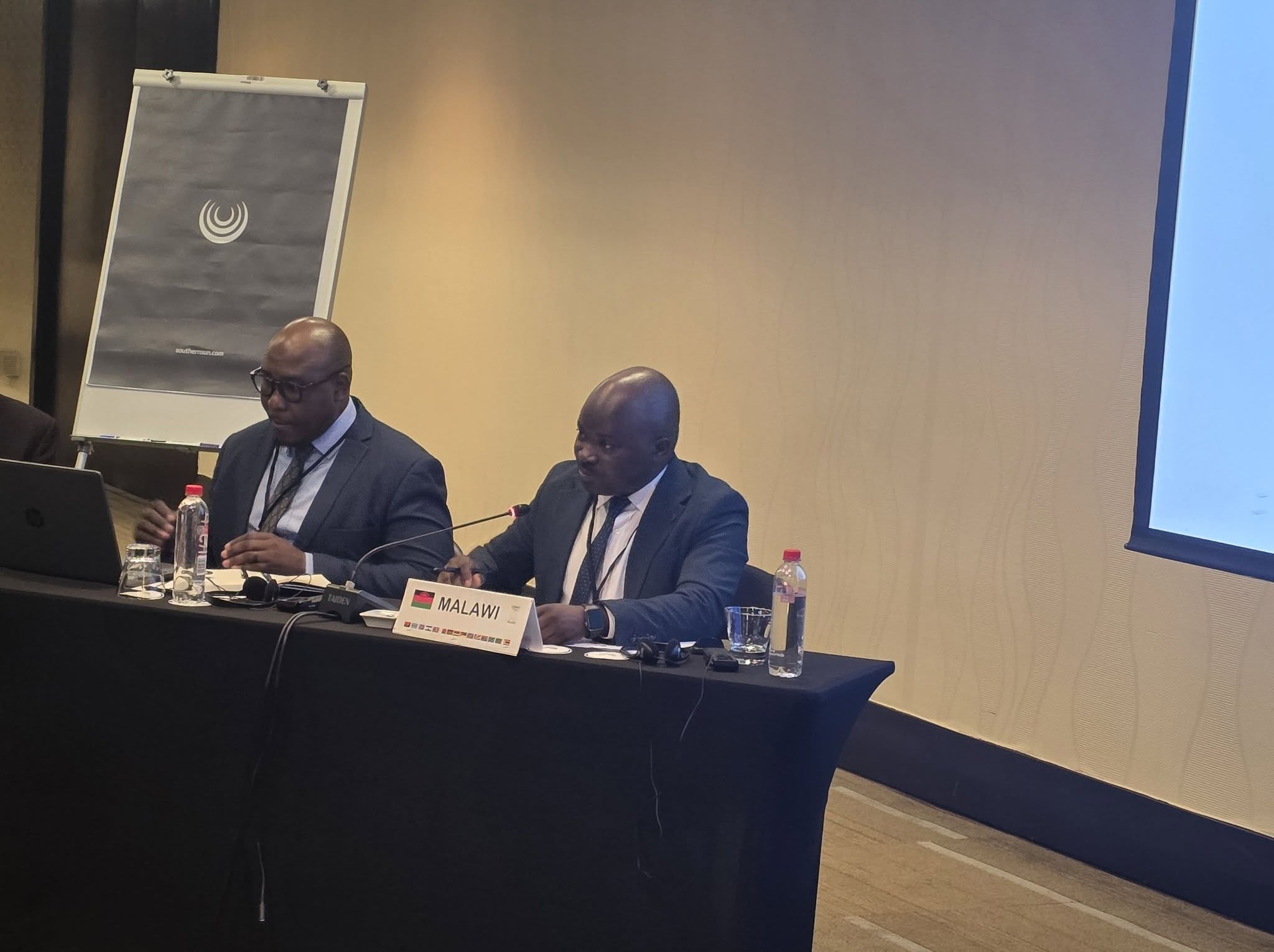
WELCOME REMARKS BY THE DGHR CHAIRPERSON, HON. PETER DIMBA, DURING THE DGHR COMMITTEE STATUTORY MEETING FOR THE 59TH PLENARY ASSEMBLY ON 22 MAY 2026, HELD AT SOUTHERN SUN OR TAMBO, JOHANNESBURG, ZIMBABWE.
Salutions
- Distinguished Members of the Standing Committee on Democratisation, Governance and Human Rights;
- The Secretary General of the SADC Parliamentary Forum, H.E. Boemo Sekgoma;
- Officials from the SADC PF Secretariat and SADC National Parliaments;
- Resource Persons;
- Ladies and Gentlemen,
It is my honour and privilege to welcome you all to this statutory meeting of the Standing Committee on Democratization, Governance and Human Rights (DGHR) during the 59th Plenary Assembly of the SADC Parliamentary Forum.
Allow me, at the outset, to express sincere appreciation to all Members for your continued commitment to the work of this Committee and to the broader mission of strengthening democracy, constitutionalism, human rights, and good governance in the SADC region.
We meet at an important moment for our region. Across Southern Africa, democratic institutions continue to evolve, and our citizens continue to place their hopes in the ability of democratic systems to deliver peace, accountability, development, and dignity. At the centre of those expectations lies one critical institution: credible elections.
Elections are more than periodic political events. They are the foundation upon which public trust in governance is built. When citizens believe that elections are transparent, inclusive, and credible, they gain confidence not only in electoral institutions but in democracy itself. Equally, when electoral processes are weakened, public trust erodes, political tensions rise, and democratic legitimacy is strained.
It is against this backdrop that our meeting is convened under the theme: “From Commitment to Action: Strengthening Parliamentary Leadership in Domesticating the SADC Model Law on Elections.” The theme is both timely and deliberate. As Parliamentarians, we have collectively adopted important regional standards and commitments over the years. The real challenge before us now is ensuring that these commitments translate into practical reforms within our national legal and institutional frameworks.
The SADC Parliamentary Forum has consistently demonstrated leadership in advancing democratic governance in our region. From the adoption of the Norms and Standards for Elections in the SADC Region in 2001, to the Benchmarks for Democratic Legislatures, the Benchmarks for Assessing Democratic Elections, and ultimately the SADC Model Law on Elections in 2018, our institution has continued to shape the regional democratic governance agenda.
Today, however, new realities confront our democracies. We are witnessing growing concerns around misinformation and disinformation, digital manipulation, cybersecurity threats, declining voter participation, particularly among young people, questions around political finance transparency, and the need to ensure greater inclusion of women and marginalised groups in political processes. These are no longer future challenges. They are current realities that require responsive institutions and forward-looking legislative frameworks.
I am therefore encouraged that this Committee has remained proactive in confronting these emerging issues. The resolutions adopted during our previous meetings clearly demonstrate the Committee’s determination to ensure that the SADC Model Law on Elections remains relevant and responsive to evolving democratic challenges. In particular, the Committee’s call for the revision of the Model Law to address issues such as cybersecurity, data protection, digital misinformation, online campaigning, and elections during emergencies reflects strategic and forward-looking parliamentary leadership.
I also wish to commend the growing partnership between SADC PF and the Electoral Commissions Forum of SADC Countries (ECF-SADC), which is undertaking a region-wide study on the status of domestication of the SADC Model Law on Elections. This collaboration is important because effective reform must be grounded in evidence, practical experiences, and lessons emerging from Member States themselves. The presentations we will receive today on emerging findings from the regional study, together with reflections from national engagements in Malawi and the Kingdom of Lesotho, will therefore enrich our deliberations and help us identify practical pathways to strengthen electoral governance across the region.
Honourable Members,
Our responsibility as Parliamentarians extends beyond passing laws. We are custodians of democratic accountability. We are representatives of citizens whose voices must find expression within democratic institutions. We are also guardians of public confidence in governance systems.
For that reason, parliamentary leadership in electoral reform is indispensable. We must continue to strengthen oversight of electoral institutions, advocate for adequate implementation of election observer recommendations, promote inclusive participation of women and youth, and ensure that democratic governance frameworks keep pace with changing political and technological realities.
I am equally pleased that our deliberations today will take place within the broader context of the SADC PF Project on “Enhancing Accountability and Citizens’ Participation in Regional Integration through Regional Parliament (2025–2027).” The activities already undertaken under this project demonstrate that regional parliamentary cooperation can produce practical outcomes that strengthen governance systems and citizen participation across our region.
As we proceed with our work today, I encourage all Members to engage openly, constructively, and strategically. Let us use this platform not merely to identify challenges, but to advance solutions. Let us ensure that our recommendations are practical, impactful, and capable of strengthening democratic resilience within our Member States.
Before I conclude, allow me to express sincere appreciation to our cooperating partners whose continued support has made this meeting and the broader governance programme of SADC PF possible. In particular, we extend gratitude to GIZ, International Partnerships Austria, the European Union, BMZ, and the Government of Sweden for their steadfast support towards strengthening democratic governance, parliamentary engagement, citizen participation, and regional integration in the SADC region. Their partnership continues to make a meaningful contribution to advancing democratic institutions and accountable governance across our Member States.
I now have the honour to officially declare the statutory meeting of the Standing Committee on Democratisation, Governance and Human Rights open.
I thank you.